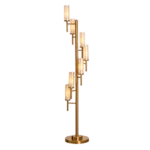
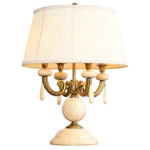
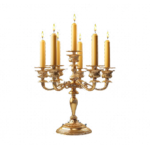
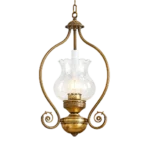


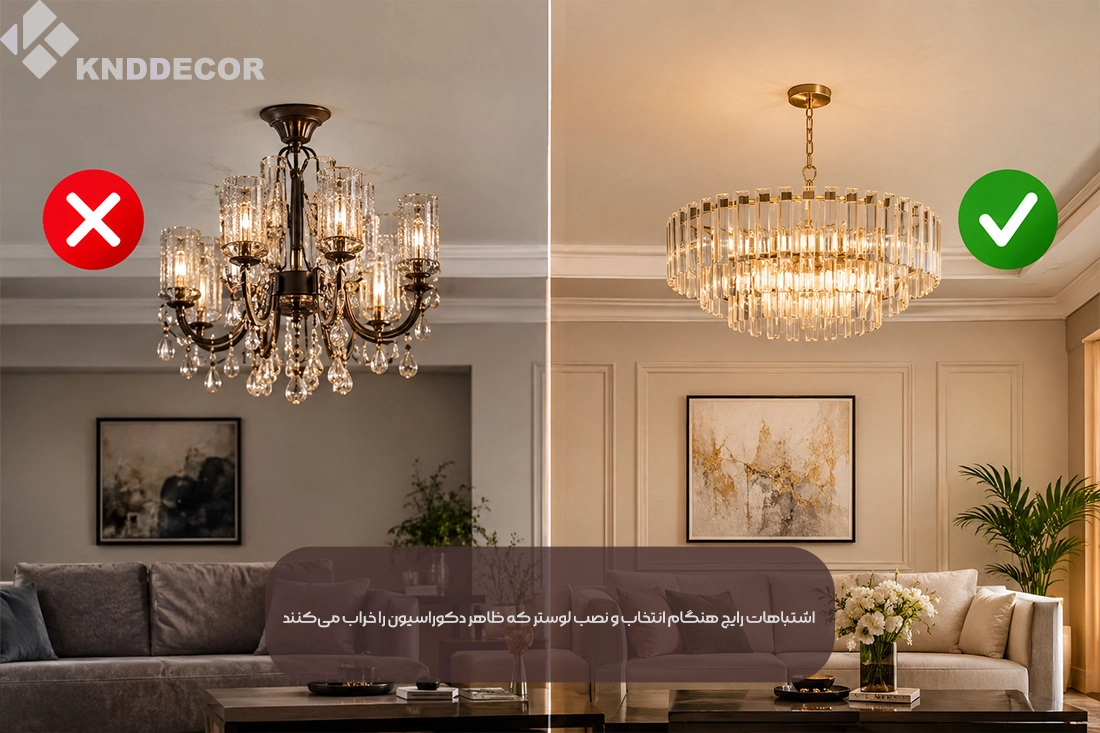
Common Mistakes When Choosing and Installing Chandeliers That Ruin Your Interior Decor
-
 نویسنده:
کارشناس فروش
- تاریخ انتشار:
- Reading time: 6 minutes

-
نویسنده:
کارشناس فروش
- تاریخ انتشار:
- Reading time: 6 minutes
Choosing a chandelier is not limited to its visual beauty alone. Even the most beautiful chandelier can make a home look disproportionate if it is not chosen in accordance with the dimensions of the space, decoration style, ceiling height, and required light intensity. On the other hand, improper installation may cause the fixture, which is intended to be the focal point of the decor, to lose its true impact. Therefore, when purchasing a chandelier, in addition to the model and appearance, one must consider dimensions, lighting type, installation height, weight, and harmony with other decorative elements. Below, we will explore the most important mistakes that can affect the appearance of a space when choosing and installing various types of chandeliers. 1. Choosing a chandelier without considering space dimensions: One of the most common mistakes is choosing a chandelier solely based on its appearance. A model might look very beautiful in a showroom, but it may appear oversized and heavy in a small living room, or fail to make a sufficient impact in a large space. To choose the right chandelier, you must consider the room dimensions, the length and width of the space, and the ceiling height. A living room chandelier should generally be proportional in size to the furniture and the expanse of the room. If you have a large space, larger models such as branch chandeliers can be a suitable choice; conversely, for smaller spaces, compact and low-profile models usually yield better results. 2. Ignoring ceiling height: Ceiling height is one of the most critical factors in choosing a chandelier. Using a long, hanging chandelier in a room with a low ceiling can make the space appear smaller and more cluttered. On the other hand, if the ceiling is very high, choosing a very small model might cause the chandelier to get lost in the decor. Therefore, before purchasing a chandelier, be sure to measure the ceiling height and the appropriate distance from the chandelier to the floor. This is especially important in living rooms, dining areas, and high-traffic spaces. 2. Ignoring ceiling height: Ceiling height is one of the most critical factors in choosing a chandelier. Using a long, hanging chandelier in a room with a low ceiling can make the space appear smaller and more cluttered. On the other hand, if the ceiling is very high, choosing a very small model might cause the chandelier to get lost in the decor. Therefore, before purchasing a chandelier, be sure to measure the ceiling height and the appropriate distance from the chandelier to the floor. This is especially important in living rooms, dining areas, and high-traffic spaces. 3. Choosing a chandelier style that is inconsistent with the decor: Another common mistake is choosing a chandelier independently of the overall decor style. For example, placing a highly detailed classic chandelier in a completely modern space can reduce the visual harmony of the environment. Conversely, a modern chandelier with a very simple design may fail to play the role of a prominent decorative element in a classic decor. If your home decor is Neoclassical, choosing a Neoclassical chandelier can create a stronger connection between the lighting and other interior elements. In modern styles, simpler, geometric, and minimalist models usually offer better harmony. 4. Neglecting the color and material of the chandelier: The body color, type of plating, and material are kColor choice in chandeliers also has a significant impact on the final decoration result. For example, a gold-colored chandelier can look appropriate in a warm and classic decor; however, if chosen without considering the color of furniture, curtains, hardware, and other details, it may draw excessive attention. When choosing a chandelier, it is better to pay attention to the colors present in the space and select a model that has a visual connection with the main elements of the decor. 5. Choosing a chandelier based solely on appearance and ignoring lighting: In addition to its decorative role, a chandelier is also responsible for providing or supplementing the ambient light. Therefore, attention should not be paid only to its appearance. The number of branches, the type of bulb, light intensity, and the direction of radiation are among the factors that must be examined. A chandelier may be very beautiful but may not create sufficient light for the intended space. In spaces such as large living rooms, the required amount of light should be determined before selecting a model. Sometimes, combining a chandelier with complementary lights such as wall sconces, hidden lights, or ceiling lights yields better results. 6. Installing a chandelier at an inappropriate height: The installation height can completely change the appearance of the chandelier. If the chandelier is installed too low, it may obstruct the walkway and make the room feel cluttered. If it is installed too high, it may lose its visual impact. The function of the space must also be considered during installation. The appropriate height for a chandelier over a dining table is not necessarily the same as a chandelier in the center of a living room. Therefore, it is better to determine the exact placement of the chandelier and its distance from furniture and other elements before installation. 7. Ignoring the exact installation location: The geometric center of the room is not always the best location for installing a chandelier. For example, if the living room layout is arranged such that the seating area is in a specific section, placing the chandelier exactly in the middle of the ceiling might make it look asymmetrical relative to the furniture. In such circumstances, it is better to determine the installation site based on the focal point of the space and the furniture arrangement, rather than just the center of the ceiling. 8. Using a chandelier disproportionate to the dining table: One of the important applications of pendant chandeliers is use above the dining table. In this case, the size and form of the chandelier should be harmonious with the shape of the table. For rectangular tables, elongated or multi-source models can be a suitable choice. For round tables, models with a central form proportional to the table's diameter usually yield better results. A mistake in this section can cause the chandelier to look either too small or to draw all the attention to itself. 9. Disregarding the weight and connections of the chandelier: Large and heavy chandeliers require proper substructure and secure connection. One of the major mistakes is installing heavy models without checking the connection point and the ceiling's load-bearing capacity. Before installation, the type of ceiling, the connection point, the weight of the chandelier, and the required equipment must be examined. In large models, the use of appropriate connectors is of greater importance. In fact, the beauty of a chandelier is only valuable when its installation is also performed professionally and safely. 10. Choosing a number of branches disproportionate to the space: The number of chandelier branches should be consistent with the room dimensions and the required amount of light. Using a large multi-branch chandelier in aA small room can cause visual clutter. On the other hand, a low-branch model in a large living room may lack sufficient light and impact. Therefore, when browsing different types of chandeliers, do not use the number of branches as your only criterion; also consider the dimensions, ceiling height, and the lighting needs of the space. 11. Neglecting size before purchasing: One of the simplest ways to avoid many mistakes is to measure the intended space before buying a chandelier. Before choosing a model, measure at least the following: the length and width of the room, the ceiling height, the dimensions of the table (if installing the chandelier above it), the distance from the installation point to the furniture, the appropriate diameter or length of the chandelier, and the required light level for the space. These measurements will help you make a more accurate choice when browsing models, rather than deciding based solely on store images. 12. Choosing a chandelier based on trends instead of actual needs: Decoration trends are constantly changing. A model that is popular today may give way to another style in a few years. For this reason, it is better to first consider the home's style, the dimensions of the space, lighting needs, and personal taste when choosing a chandelier, and then consider current trends. The goal of buying a modern, classic, or neoclassical chandelier is not just to follow fashion; it should be able to remain harmonious with the home's decor for a long time. How to avoid mistakes in choosing a chandelier? To ensure a satisfying final result, ask yourself these questions before purchasing: How large is my space? What is the ceiling height? What is the home's decoration style? Will the chandelier be the main light source or a supplementary light? What size is suitable for the chandelier? Where is the exact installation location? Is the ceiling structure compatible with the chandelier's weight? Do its color and material harmonize with the decor? Is the number of branches appropriate for my space? Is the chosen model easy to maintain and clean? Summary of choosing the right chandelier: Choosing the right chandelier is a combination of beauty, proportion, lighting, and installation principles. If a beautiful chandelier is chosen that is too large, too small, too low, too long, or inconsistent with the decor style, it may unbalance the appearance of the space instead of enhancing it. Therefore, before buying a chandelier, first check the dimensions of the space and the ceiling height, determine the decoration style, and then choose an option from modern chandeliers, classic chandeliers, neoclassical chandeliers, branched chandeliers, or pendant chandeliers that aligns with the actual needs of the space. Ultimately, proper installation is just as important as choosing the model. Maintaining the appropriate height, correct installation location, and using standard fittings will ensure that the chandelier provides both beauty and proper performance and safety.