

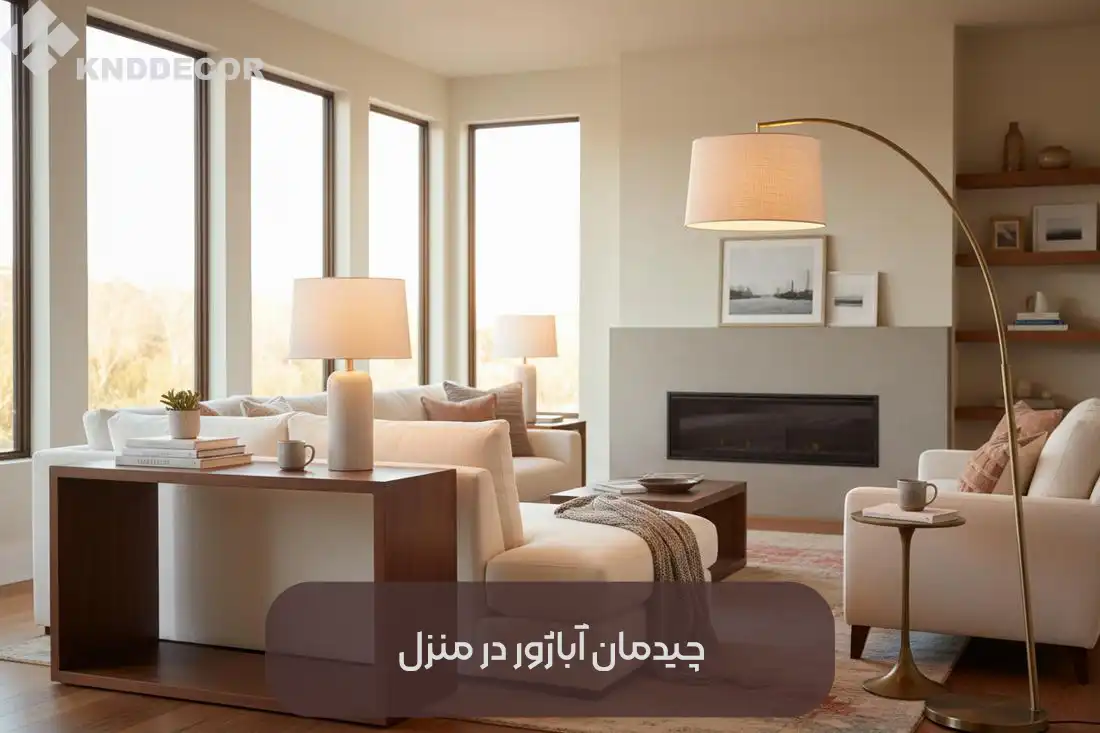
Lamp Placement in the Home; A Complete Guide to Creating a Warm, Stylish, and Functional Space
-
 نویسنده:
کارشناس فروش
- تاریخ انتشار:
- Reading time: 4 minutes

-
نویسنده:
کارشناس فروش
- تاریخ انتشار:
- Reading time: 4 minutes
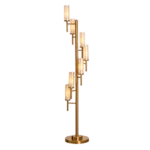
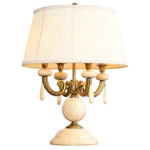
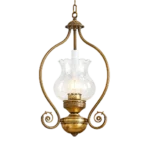
Lighting is one of the most important elements in interior design, and among lighting fixtures, the lampshade holds a special place. Many people assume a lampshade is merely a tool for providing light, but in reality, this product can transform a home's atmosphere as a decorative element. Choosing the right location and arrangement for lampshades not only enhances the beauty of the environment but also creates a sense of tranquility, increases space efficiency, and completes the decor style. In this article, you will learn the correct principles of arranging lampshades, how to choose the right model for each part of the home, and tips that will help you get the best results from your home lighting. Why is lampshade arrangement important? Every interior space requires a combination of ambient, task, and decorative lighting. A lampshade usually serves the role of task and decorative lighting and can break the monotony of different parts of the home. If placed in the right spot, a lampshade helps create depth, emphasizes decorative elements, and increases the visual appeal of the environment in addition to providing light. Floor Lamps; A Great Choice for Living Spaces. The floor lamp is one of the most widely used models in interior decoration. This model is typically placed next to a sofa, couch, or reading chair, providing soft light for relaxation, reading, or conversation. For a harmonious arrangement, it is best to place a floor lamp in a corner where it does not restrict movement. Additionally, choosing a model that matches the color and material of the furniture, curtains, or side tables will lend an organized and beautiful look to the space. Table Lamps; A Small Detail with a Big Impact. Besides providing light, the table lamp is a popular decorative element in interior design. This model is usually placed on a bedside table, console, side table, or desk. If you intend to use a table lamp in the bedroom, it is better to choose a warm-colored light to create a more relaxing atmosphere. In a study or office, using natural or soft light can reduce eye strain and increase focus. The Best Placement for Lampshades in Different Parts of the Home. Living Room: In the living area, a lampshade can be placed next to the furniture or near the coffee table. Using a chandelier and a lampshade simultaneously balances the ambient light and gives the living space a warmer feel. Bedroom: In the bedroom, table lamps are the best choice. Placing them on both sides of the bed creates symmetry and makes reading before sleep easier. Study Room: For studying or working, it is best to choose a lampshade that directs light directly onto the workspace without causing glare. Hallway or Entrance: If you have enough space, placing a floor lamp next to a console or a full-length mirror can make the home entrance look more attractive and inviting. Coordinating Lampshades with Decor Style. To achieve a professional arrangement, the lampshade must harmonize with the overall style of the home. In modern decoration, models with simple lines, neutral colors, and metal bases are suitable choices. In classic decoration, lampshades with wooden or brass bases and patterned fabrics offer more elegance. InNeoclassical style, combining simple design with delicate details, will be a balanced and chic choice. Harmony between the lampshade, chandelier, curtains, rugs, and other accessories makes the home space appear more cohesive. Suitable light color for the lampshade: The light color has a direct impact on the mood of the environment. Warm or sunny light is usually more suitable for the living room and bedroom, as it creates a calm and cozy atmosphere. Natural light is also a good option for a study room or desk, maintaining a good balance between brightness and eye comfort. Common mistakes in lamp placement: To achieve the best results, avoid these mistakes: Choosing a lampshade disproportionate to the dimensions of the space; using very intense light in relaxation areas; placing the lamp in high-traffic paths; mismatching the color or style of the lamp with the decor; overusing light sources in one part of the house. Sometimes, a single lamp with correct placement will have more impact than several disproportionate lighting fixtures. How to coordinate a lamp with a chandelier? If you use a chandelier in the living area, it is better if the lamp is also coordinated with it in terms of color, material, or design style. This coordination does not mean the products must be identical; rather, it is enough to have a visual connection between them. For example, a chandelier and a lamp in gold, matte black, or chrome can create a beautiful and balanced combination together. Summary: Correct lamp placement plays an important role in the beauty and functionality of interior decoration. Choosing the right location, paying attention to the decor style, using appropriate light colors, and coordinating with other elements such as chandeliers, full-length mirrors, and furniture will make the home space look warmer, cozier, and more professional. If you do not focus solely on appearance when choosing a lamp, but also consider its placement, light type, and proportion to the home space, you can bring a different flair to your home decor with a simple change. Frequently Asked Questions: Where should we place a floor lamp? The best place for a floor lamp is next to furniture, a reading chair, or empty corners of the living room; a place where it creates localized light and does not obstruct movement. For the bedroom, is a table lamp or a floor lamp better? In most bedrooms, a table lamp is considered a more suitable choice due to easy access and soft light. Should the lamp match the chandelier? It is not necessary for them to be exactly the same, but harmony in design style, color, or material creates a more cohesive and beautiful decoration. Which light color is more suitable for a lamp? For relaxation spaces, warm or sunny light is the best option. In work or study environments, natural light can also provide appropriate brightness and more comfort for the eyes.