

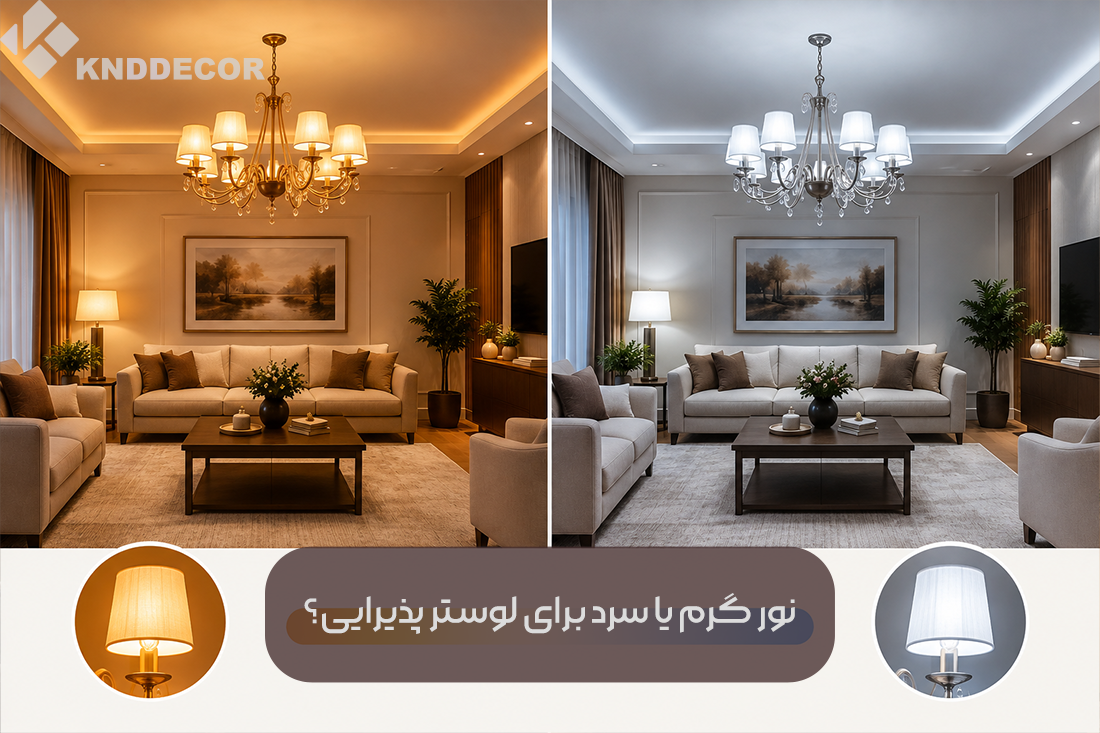
Warm or Cool Light for Living Room Chandeliers? A Guide to Choosing the Right Light Color
-
 نویسنده:
کارشناس فروش
- تاریخ انتشار:
- Reading time: 7 minutes

-
نویسنده:
کارشناس فروش
- تاریخ انتشار:
- Reading time: 7 minutes
Choosing a chandelier for the living room is not limited to its model, size, and appearance. One of the details that significantly impacts the final look of the space is the color temperature of the chandelier’s bulbs.
A chandelier might be perfectly suitable in terms of design, but if its light color does not harmonize with the decoration style and the function of the space, the final result may not be what you expect. Very white light can make a classic space look cold and lifeless, while excessively yellow light may alter the true colors of furniture in some modern decorations.
For this reason, before choosing chandelier bulbs, it is better to know the difference between warm, natural, and cool light, and which light color is more suitable for the living room.
What is light color and why does it matter?
Light color is usually specified by the Kelvin unit. The lower the Kelvin number, the warmer and more yellowish the light appears, and the higher this number goes, the whiter and ultimately cooler the light looks.
Generally, the following classification can be considered:
- Warm light: approximately 2700 to 3000 Kelvin
- Natural or balanced white light: approximately 3500 to 4000 Kelvin
- Cool light: approximately 5000 Kelvin and above
Of course, the actual appearance of the light can vary depending on the type of bulb, wall color, flooring, curtains, and other light sources.
Therefore, when choosing bulbs for a chandelier, do not only pay attention to terms like “white” or “yellow”; if possible, also check the Kelvin value of the bulb.
What are the characteristics of warm light for the living room?
Warm light usually has a yellowish tint and creates a more intimate, calm, and comfortable atmosphere in the environment.
For this reason, warm light is considered a popular choice for spaces where the main goal is relaxation, gatherings, and creating a sense of tranquility.
In living rooms that use classic furniture, wood, or colors like cream, brown, gold, or beige, warm light usually creates great harmony.
Especially if the chandelier features gold or crystal details, warm light can give it a unique and stunning appearance.
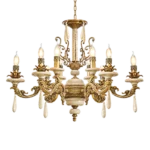
For formal and classic decorations, checking classic chandeliers KND Decor can be a good starting point for choosing a chandelier model.
Is warm light suitable for all living rooms?
No.
While warm light is a great choice for many living rooms, it shouldn’t be assumed to be the best option for every space.
If your living room is very large and uses many dark colors, very warm light might make the space appear overly yellow and dark.
Additionally, in decorations designed around white, gray, black, and modern materials, balanced white light may yield better results.
In fact, the choice of light color should be made in conjunction with the decoration colors and the amount of natural light in the room.
Natural or balanced white light for living rooms
Natural or balanced white light usually falls between warm and cool light and can be suitable for people who do not want the living area to look too yellow or blue.
This light range can be a practical choice in modern and neoclassical decorations, as it shows the color of many elements relatively balanced.
If your living room has a combination of modern and classic elements, balanced light can help the chandelier and other decorative elements sit together without creating intense contrast.
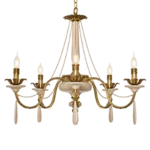
For such spaces, you can also check out neoclassical chandeliers models.
Is cool light suitable for living rooms?
Cool light usually appears whiter and sometimes leans towards blue. This type of light is mostly used for spaces that need bright and clear illumination.
However, using very cool light in a residential living room is not always the best choice.
If your goal is to create a warm, comfortable, and cozy space, cool light might create a different feeling. On the other hand, in a fully modern decoration with neutral colors and simple lines, a controlled amount of white light can create a cleaner look.
Therefore, if you intend to use cool light, it is better to harmonize it with other light sources and the colors present in the decoration.
What is the best light color for a living room chandelier?
If we want to give a simple and practical answer, for many residential living rooms, warm light or warm white is a balanced choice.
A range of about 2700 to 3000 Kelvin usually creates a warm and cozy feeling and is suitable for spaces that are places for relaxation and gatherings.
If your decoration is more modern and you want the colors to look a bit more neutral, you can also consider the range of about 3000 to 4000 Kelvin.
But the final choice depends on the color of the walls, floor, furniture, curtains, the amount of natural light, and even the type of chandelier.
Coordinate the light color with the chandelier style
One simple way to choose the light color is to pay attention to the style of the chandelier.
Classic Chandelier
For classic chandeliers, warm light is usually a suitable choice. This combination can make decorative details, gold colors, and wooden materials appear warmer and more inviting.
Neoclassic Chandelier
In the neoclassic style, you can use warm light or warm white light. If the home decoration has neutral colors, a balanced light can also be a good choice.
Modern Chandelier
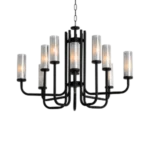
There are more options available for modern chandeliers. Warm light can be used to create an intimate atmosphere, while balanced white light can be used to create a cleaner and more modern look.
To view various models, you can check out the modern chandeliers collection.
Crystal Chandelier
In crystal chandeliers, the light color becomes more important because the light passes through and reflects off the transparent and crystalline pieces.
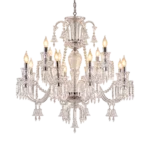
Warm light can create a luxurious and cozy effect, while whiter light can showcase the brilliance of the crystals with a brighter appearance.
If you are looking for such a style for your reception area, see the crystal chandeliers collection.
The chandelier light should harmonize with the wall color
Wall color is one of the important factors that affects our perception of light color.
For example, cream, beige, or brown walls paired with warm light usually create a very cozy atmosphere.
In contrast, white or gray walls with balanced white light may have a brighter and more neutral appearance.
If the walls are dark, you should pay more attention when choosing the light color and brightness level; because dark colors absorb some of the light, which may make the living area appear dimmer.
Chandelier light and furniture color
Furniture should also be considered when choosing light color.
If your furniture has warm colors such as cream, brown, beige, or mocha, warm light usually creates good harmony.
If the furniture has cool colors such as gray or blue, warm light can be used to create balance, or neutral light can be considered if the space is modern.
The goal is not to make all colors look exactly the same; the goal is to ensure the light does not create unpleasant contrast between different elements.
Is it better if the chandelier has adjustable light intensity?
If you have the option, a chandelier with adjustable light intensity can be a more practical choice for the living room.
The living room serves different purposes during the day and night.
For example:
During a party:
Brighter light can create a more vibrant and energetic atmosphere.
While watching TV:
Dimmer light can create a more comfortable atmosphere.
During an evening gathering:
Softer light usually creates a more intimate feeling.
For this reason, the ability to adjust light intensity can increase the flexibility of the lighting system.
Is a chandelier alone sufficient for living room lighting?
In most spaces, it is better not to limit living room lighting to just a chandelier.
A proper design can include several light sources:
Chandelier: General lighting and the main decorative element
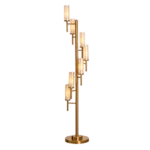
Floor Lamp: Localized lighting next to the sofa
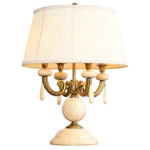
Table Lamp: Complementary light on a table or console
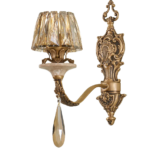
Wall Sconce: Decorative and accent lighting
For this reason, you can use floor lamps in the corners of your living area alongside the chandelier.
For side tables or consoles, table lamps can serve both a functional lighting purpose and act as a decorative element.
If you have paintings, mirrors, or decorative elements on the wall, using wall sconces can also help complete the lighting scheme.
Combining warm and cold light; is it a good idea?
Using both very warm and very cool lights simultaneously in a small space may cause inconsistency.
For example, if a chandelier provides very warm light but a cool light source is placed in the same area, two parts of the room may appear to have different colors.
However, the smart use of different color temperatures in separate sections can be practical.
For instance, you could choose warm light for the general living area and use a more balanced light in a specific section used for reading or a particular activity.
The important thing is that this color difference is controlled and purposeful.
Ideal light color for classic living rooms
In classic decoration, warm lighting is usually a safer choice.
Gold, wood, cream, and brown colors, along with heavy fabrics, look more natural under warm light.
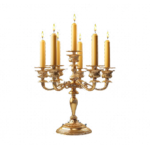
If you have used classic chandeliers, consoles, mirrors, and candlesticks in your living room, it is best to keep the color temperature of the light warm as well.
Using a candle holder alongside a chandelier can also help enhance the classic decorative atmosphere.
Ideal light color for modern living rooms
In modern living rooms, light color choice offers more flexibility.
If your decoration is minimalist and uses colors like white, gray, black, and simple materials, warm white or neutral white can be a good choice.
If your modern space has a more cozy feel, warm light will be an attractive option.
If the goal is to create a bright, clean, and neutral look, a higher color temperature can be considered; however, it is better to use excessively cold light in residential spaces with caution.
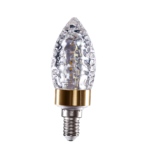
What should we consider before buying chandelier bulbs?
Check these items before purchasing bulbs:
Color Temperature
Check the Kelvin rating to know if the final light will be warm, neutral, or cool.
Brightness Level
Do not rely solely on the number of bulbs. The actual brightness value of the bulb also matters.
Base Type
The bulb must be compatible with the chandelier’s socket.
Dimmability
If the chandelier or the building’s electrical system has dimming capabilities, the bulb must also be compatible.
Coordination with other lights
If you have floor lamps or wall sconces in the living room, it is better if their color temperature is coordinated with the main light.
Common mistakes in choosing chandelier light color
Choosing light based solely on the bulb’s appearance
The appearance of the bulb glass does not always indicate its actual light color. The Kelvin number is a more accurate metric.
Using very cool light in a fully classic space
This may reduce the warm feeling of the decor.
Using very warm light in a very dark space
If there are many dark colors in the room, very warm light can make the space feel heavier.
Randomly combining color temperatures
Using several bulbs with completely different colors in one area can cause visual inconsistency.
Ignoring natural light
A living room that receives a lot of sunlight during the day does not have the same artificial lighting requirements as a dim space.
A simple choice to get started
If you still don’t know which light color is suitable for your living room, you can use this simple guide:
Classic Living Room + Warm Colors:
Warm Light
Neoclassic Living Room + Neutral Colors:
Warm White or Neutral White
Modern Living Room + Cozy Atmosphere:
Warm White
Modern Living Room + Bright and Minimalist Look:
Neutral White
Large Living Room with Low Natural Light:
Sufficient Lighting + Warm or Neutral Light
These are not absolute rules, but they can be a good starting point for your choice.
Summary
Choosing the right light color for a chandelier can significantly impact the final look of your living room. Warm light usually creates a more intimate and relaxing atmosphere, making it suitable for many classic and residential decors. Balanced white light can also be a flexible choice for modern and neoclassical decors.
On the other hand, cool light should be used more carefully, especially in living rooms where the main goal is to create a sense of relaxation and comfort.
Furthermore, it is best not to consider the chandelier as the sole light source for the living room. Combining a chandelier with floor lamps, table lamps, and wall sconces can create more complete and functional lighting.
Finally, when choosing a chandelier, consider the decoration style; modern, classic, neoclassical, and crystal chandeliers can each harmonize with different types of light and decor.
If the choice of light and chandelier is based on the decoration style, the existing colors in the space, the amount of natural light, and the function of the living room, the final result will be much better in terms of both aesthetics and comfort.