

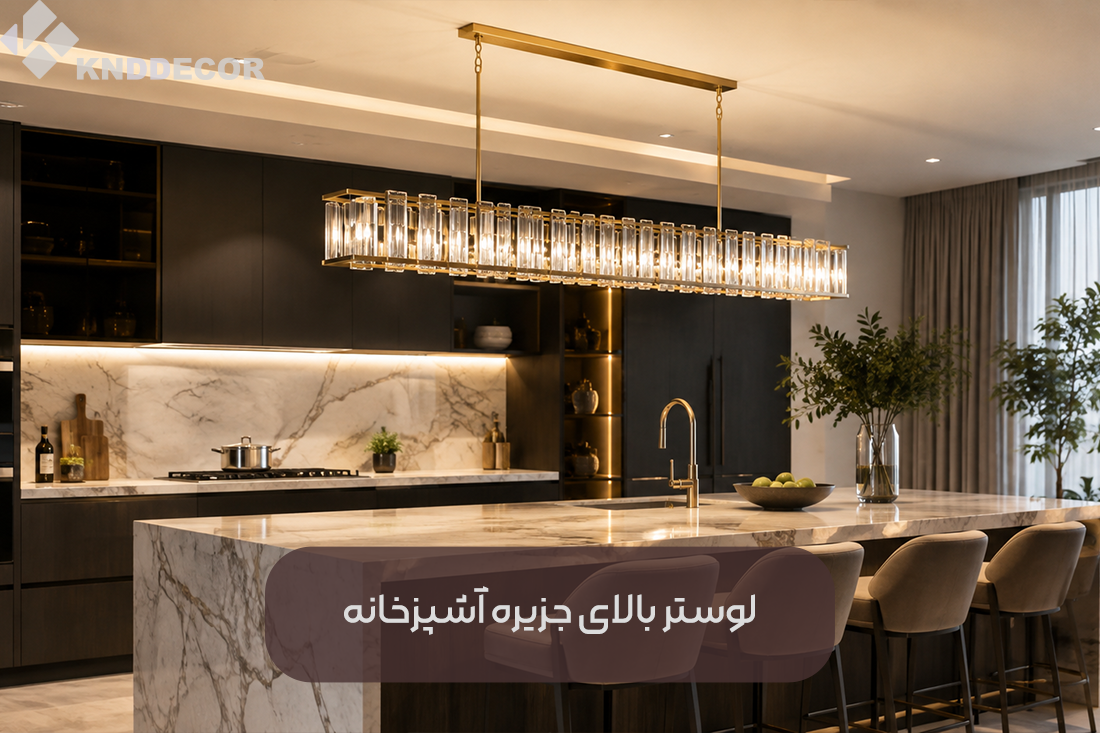
Chandelier Above the Kitchen Island; A Guide to Choosing the Right Model
-
 نویسنده:
کارشناس فروش
- تاریخ انتشار:
- Reading time: 4 minutes

-
نویسنده:
کارشناس فروش
- تاریخ انتشار:
- Reading time: 4 minutes
Modern kitchens are not just places for cooking; in many homes, the kitchen island has become one of the most important parts of the decor. One of the best ways to make this area more attractive is by using a chandelier or a pendant light above the island.
Choosing a chandelier for an island is different from choosing one for a living room or a bedroom. In this area, in addition to appearance, you must consider the shape of the island, the number of chairs, the type of space usage, and the coordination of the light with the cabinets.
In the following, we will examine what points to consider when choosing a chandelier for above the kitchen island.
Why should we install a chandelier above the kitchen island?
The island is usually located in the center or a significant part of the kitchen, creating a natural focal point.
Placing one or more lights above it can distinguish this area from other parts of the kitchen. Additionally, more direct light on the island surface makes using it for food preparation, dining, or daily tasks easier.
On the other hand, a chandelier can create a connection between the kitchen and the living area, especially when the kitchen is designed as an open plan space.
Chandelier or Pendant Light: Which is more suitable?
You don’t necessarily have to use large, multi-branch chandeliers for a kitchen island.
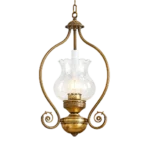
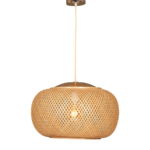
In many modern kitchens, several small, coordinated pendant lights can create a better result. This method allows light to be distributed along the island and provides a lighter appearance.
On the other hand, if the island is smaller, a single statement pendant light can be sufficient.
The choice between these two options depends on the dimensions of the island and the decoration style.
How to choose the number of lights?
The number of lights should be proportional to the length of the island.
For a short island, using multiple lights may make the space look cluttered. Conversely, a long island might not have uniform lighting across its entire surface with just a single light in the center.
In such cases, several smaller lights placed at appropriate intervals along the island can create a more balanced combination.
The key is to ensure that the distance between the lights and from the edges of the island is visually harmonious.
Modern model for a modern kitchen
If the cabinets and kitchen appliances have a modern design, it is best if the island light follows the same design language.
Simple, geometric, linear, and minimal models usually create good harmony in such spaces.
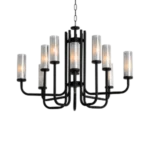
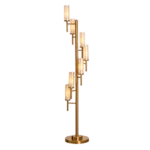
To choose a light suitable for this style, you can explore modern chandelier models. These models usually feature simple and contemporary forms and can add a special touch to the kitchen without creating clutter.
Is a classic chandelier suitable for the kitchen?
Yes, but it depends on the overall kitchen style.
If the cabinets, handles, faucets, and other kitchen details have a classic or neoclassical vibe, a lamp with decorative details can create an attractive combination.
In neoclassical kitchens, it is better to choose a model whose details harmonize with other elements of the space and do not appear overly heavy.
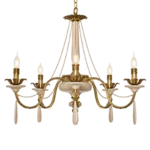
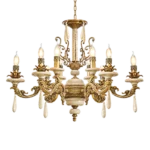
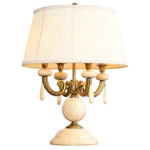
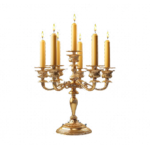
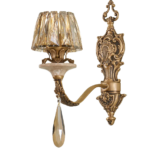
In such cases, using classic chandeliers can help create harmony between the lighting, cabinets, and other decorative elements.
Should the chandelier be coordinated with the cabinets?
The color of the chandelier does not have to be exactly the same as the cabinets.
In fact, creating a controlled contrast can make the kitchen space more attractive.
For example, in a kitchen with light cabinets, you can use lights with dark metal frames. In decorations with gold or brass details, you can choose a chandelier with similar materials.
The important thing is that the color and material of the light should have a visual connection with at least one other element in the kitchen.
Is a crystal chandelier suitable for a kitchen island?
If the kitchen has a classic or neoclassical style, using crystal models can create a distinct effect.
The reflection of light in crystals turns the lamp into a prominent decorative element. However, in very minimalist kitchens, a crystal chandelier might have less stylistic harmony with the environment.
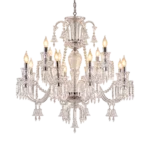
For more formal decorations, you can explore crystal chandelier models.
Don't overlook the island surface
One common mistake is focusing only on the appearance when choosing a light.
The island surface is typically used for various activities; therefore, the lighting should be designed to illuminate the workspace sufficiently.
If a light is too decorative but fails to provide adequate illumination on the island surface, it may not be practical for daily use.
It is best to determine how the island will primarily be used before purchasing; whether for food preparation, dining, working, or a combination of these.
Coordinates with island chairs
If there are chairs or stools next to the island, the light above them should also be coordinated with this section.
For example, if the chairs have a minimal and metallic design, using a very flashy chandelier might disrupt the decor’s balance.
Conversely, in kitchens with wooden or decorative chairs, a light with more detail can create a perfect combination.
Should the island pendant lights match the living room chandelier?
No.
If the kitchen and living area are in an open space, all the lights do not need to be exactly the same.
It is better to have a visual connection between them; for example, they could share a common metal color, overall shape, or certain materials.
This approach makes the space look cohesive without making every element an exact duplicate.
Summary
Choosing a chandelier for a kitchen island should be based on the shape and length of the island, the number of chairs, the style of the cabinets, and how much the island surface is used.
In modern kitchens, simple and geometric lights usually create good harmony, whereas for classic and neoclassical spaces, more decorative models can be chosen.
Additionally, the number of lights is very important; a small island might only need one light, while for larger islands, using multiple pendant lights can create better light distribution and visual balance.
Ultimately, the island pendant light should serve as both a decorative element and provide adequate lighting for this area of the kitchen during daily use.